Fiberglass ranks first for Las Vegas homes because it holds its shape in extreme heat, keeps seals tighter over time, and creates fewer long-term comfort tradeoffs than the other frame materials.
Frame material does not tell the whole story here: low-E glass, argon-filled panes, and precise installation can matter just as much when you are trying to cut heat gain in Southern Nevada.
The smartest choice is not the cheapest or the flashiest one; it is the material that fits your hottest rooms, your budget, and how long you plan to stay, with local guidance to separate good products from poor ones.
Most Las Vegas homes were built fast, and the windows were picked to match that pace. Builder-grade frames, thin glass, and bargain seals hold up fine in mild climates. In the Mojave, where summer temperatures push past 110°F and UV exposure runs almost year-round, those same windows become the reason certain rooms feel unbearable by May and the AC never quite catches up.
Replacement window materials are not interchangeable in Southern Nevada. The right frame for a shaded north-facing bedroom is not automatically the right frame for a west-facing wall that bakes from noon onward. What follows is a plain-language ranking of the four main frame materials, how each one performs in desert heat, and where the glass package, installation quality, and local knowledge matter just as much as the frame itself.
The Window & Door Store offers a complimentary in-home consultation and energy inspection to help you match the right replacement window material to your home before you spend a dollar.
What to Compare Before the Ranking
Before any material wins or loses, it helps to understand what actually drives thermal performance in desert heat. The frame is part of the story, but not the whole thing. Two windows with different frames and different glass packages can perform so differently that the frame choice matters less than you’d expect.
Low-E glass coatings do real work in Las Vegas. Low-E stands for low-emissivity, meaning the glass has a thin coating that reflects solar heat before it enters the room. In a climate where the sun hits west-facing windows for hours at near-brutal angles, that coating is doing a lot of the heavy lifting on your AC bill.
Argon gas between the panes slows heat transfer. Most quality replacement windows today are double-pane, with an inert gas sealed between the layers. Argon conducts heat more slowly than air, so it helps the window maintain its thermal barrier. Two windows that look nearly identical can perform quite differently depending on whether that gas fill is present and whether the seal holding it is solid.
Las Vegas conditions expose installation problems fast. In a mild climate, a window with a slightly loose seal or a cheap frame might go years before anyone notices. Here, the heat expands frames, sun degrades seals, and dust finds every gap. A poor install or a low-grade product reveals itself quickly, often within a season or two.
Durability and maintenance costs are part of the comparison. A frame that warps, fades, or requires regular upkeep in this climate adds costs over time that don’t show up in the original quote. That’s a real number worth thinking about before choosing a material based on price alone.
The frame material shapes how well everything else holds together. That’s why it belongs at the center of this comparison, but only alongside an honest look at the glass package, the installation quality, and what the window will actually be asked to do over ten or fifteen Las Vegas summers.
1. Fiberglass Windows Take the Top Spot
Fiberglass windows rank first for Las Vegas homes because the material stays dimensionally stable when temperatures climb past 110 degrees. Most builder-grade frames expand and contract with the heat, which loosens seals, warps sashes, and makes windows harder to open and close over time. Fiberglass holds its shape through that cycle, so the seal stays tight and the hardware keeps working the way it should.
For a west-facing bedroom that runs hotter than the rest of the house by midsummer, that stability is the difference between a window that keeps performing and one that gradually stops. Other frame materials lose ground to thermal cycling: seals shift, sashes bind, and the comfort gap quietly widens season by season. Fiberglass costs more up front than vinyl, but it holds its shape, seal, and performance without asking for tradeoffs later. In a climate that tests every material every summer, that is what long-term value actually looks like.
2. Vinyl Window Frames Win on Value
Vinyl window frames rank second, and for a lot of Las Vegas homeowners, replacing all the windows at once is the practical starting point. The entry cost is lower than that of fiberglass, and a well-made vinyl window with a solid glass package can deliver a genuine improvement in comfort over builder-grade originals. The catch is that vinyl quality varies more than most people expect. Two frames that look nearly identical in a catalog can perform very differently once Las Vegas summers start putting pressure on the seals and hardware.
That gap between good vinyl and cheap vinyl is exactly why price alone is a poor guide here. Some lower-grade products soften or warp under sustained heat, which works against the performance you paid for. Vinyl is a good value choice for this climate, not the automatic best one. Knowing which vinyl lines hold up through a Las Vegas summer and which ones soften under sustained heat is the kind of knowledge that comes from 25-plus years in this market, not a manufacturer’s spec sheet. That distinction matters when you are replacing every window in the house at once.
3. Wood-Clad Windows Fit Narrower Needs
Wood-clad windows make a specific offer: a warm wood interior finish paired with a weather-resistant exterior shell. For homeowners whose main priority is interior design character and who are prepared for the upkeep that comes with it, that offer has merit. For most Las Vegas homeowners whose complaints are hot rooms, failing seals, and a cooling bill that keeps rising, wood-clad is not a good match. It costs more upfront, demands more maintenance in a climate that is hard on finishes, and delivers its value through aesthetics rather than heat control.
When the goal is solving real comfort problems with the fewest long-term complications, fiberglass is the more weather-appropriate alternative for Southern Nevada. It holds its shape in extreme heat, requires less upkeep, and delivers strong thermal performance without the tradeoffs wood-clad brings to a desert climate. If you are weighing the options for your home specifically, a complimentary in-home consultation can show you which material actually fits the rooms giving you the most trouble.
4. Aluminum Windows Rank Last for Heat
Of the four materials in this ranking, aluminum is the hardest to recommend for a comfort-focused replacement in Las Vegas. Metal conducts heat, and when summer temperatures outside hit 110 degrees, an aluminum frame pulls that heat toward the interior of your home rather than slowing it down. As our own material comparison for Las Vegas homes lays out, aluminum’s higher thermal conductivity makes it a poor fit when sustained desert heat is the primary challenge.
That said, aluminum is not without a use case. Some homeowners choose it for large picture windows or contemporary design applications where the slim sightlines and structural rigidity matter more than thermal performance. If that describes your situation, a strong glass package (low-E coatings, argon-filled panes) can help offset some of the frame’s shortcomings. But even with the best glass, you are starting with a material that works against you in this climate.
For homeowners whose main goal is reducing heat gain, stabilizing room temperatures, and lowering the load on their AC, fiberglass is the better-fit alternative. Here is where aluminum falls short by comparison:
Metal frames conduct heat more readily than fiberglass or quality vinyl, which means the frame itself becomes part of the comfort problem in Southern Nevada summers.
Aluminum expands and contracts more with temperature swings, which puts stress on seals over time and can lead to drafts and air leaks in the exact rooms you are trying to fix.
A strong glass package can help an aluminum window perform better, but it cannot fully compensate for a frame that transfers heat more easily by nature. Aluminum has its place in design-driven applications, but it is not the answer when hot bedrooms and climbing energy bills are driving the decision.
FAQ About Window Material Choices
Choosing a replacement window material raises many practical questions that showroom conversations don’t always answer. The questions below focus on what actually matters for a Las Vegas home: heating performance, real ownership costs, and the day-to-day installation process.
How do I read energy efficiency ratings without getting lost in the jargon?
Focus on two numbers: the U-factor and the Solar Heat Gain Coefficient (SHGC). U-factor measures how much heat passes through the glass. SHGC measures how much solar heat the window lets in. In Las Vegas, a lower SHGC matters most because the sun is the main driver of indoor heat gain.
Do low-E glass coatings and argon gas-filled panes matter more than the frame material?
Sometimes, yes. Low-E coatings reflect solar heat before it enters the room, and argon-filled panes slow heat transfer between indoors and outdoors. A strong glass package can close the gap between two different frame materials. That said, frame stability still matters because a warped or poorly sealed frame undercuts even the best glass.
Which replacement window materials offer the best cost vs. lifespan for a whole-home project?
Fiberglass holds up the best over time in this climate, which tends to make it the stronger long-term value, even at a higher upfront cost. Quality vinyl is the more budget-friendly starting point. The right answer depends on the home, the problem rooms, and how long you plan to stay. A complimentary in-home consultation can help you compare both paths clearly.
Does replacing all the windows at once make more sense than starting with the hottest rooms?
A whole-home replacement usually makes more financial sense when the existing windows are builder-grade and aging across the board. Doing it all at once means one installation day, one coordinated glass package, and consistent performance throughout the house. Tackling only the worst rooms first is reasonable when the budget is the constraint, not the preference.
How disruptive is window installation for a family that needs the house to stay functional?
Most whole-home replacements at The Window & Door Store are completed in a single day. The crew handles the removal, installation, sealing, and cleanup before they leave. Normal household routines stay intact, and you are not managing a drawn-out project or a rotating crew of unfamiliar contractors.
Match the Material to the Home, Not the Pitch
The lowest upfront price and the best long-term value are rarely the same thing. Fiberglass costs more than vinyl at the start, but it holds its shape, seal, and performance longer in climates that push every material to its limits. Vinyl can be the smarter fit when budget is the real constraint and the product is well-made. The right call depends on which rooms run hot, how long you plan to stay, and what the existing windows are actually doing to your comfort and energy use.
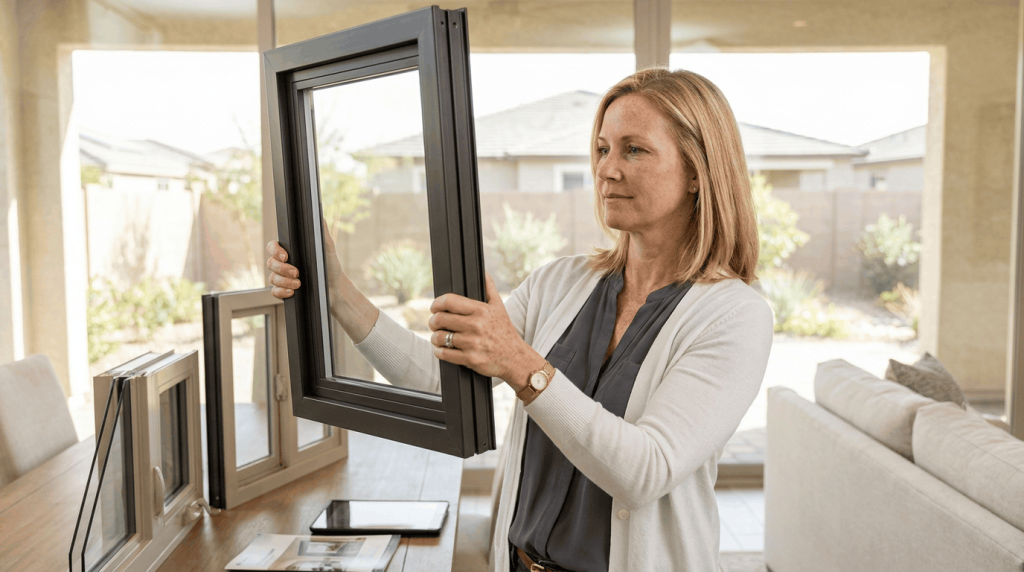
That comparison only works when it is grounded in your actual home: which walls take the afternoon sun, which rooms never cool down, what the existing frames are doing, and what you plan to spend over a ten-year horizon. A complimentary in-home consultation and energy inspection from The Window & Door Store gives you a specific answer to each of those questions, with a clear material recommendation and no pressure to commit on the spot. The Las Vegas window showroom lets you compare frame materials at full scale, side by side, before you decide anything.
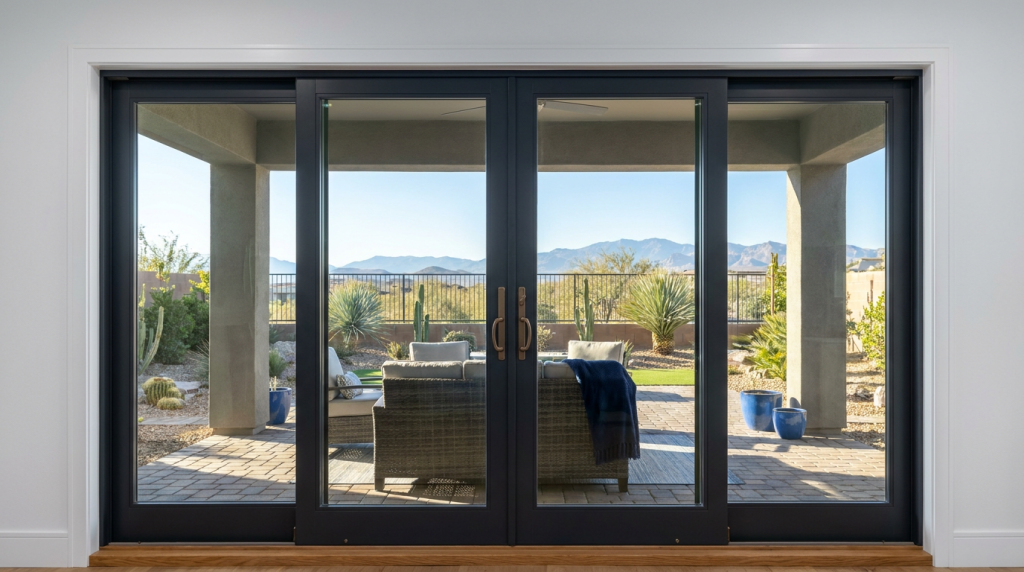
The best patio door for a Las Vegas home is the one that fits the opening, the backyard layout, and the heat, not the one that looks most dramatic in a photo.
Sliding doors are usually the cleanest upgrade within an existing opening, while multi-slide doors are the stronger choice when the goal is to open a wide back wall to a pool, patio, or view.
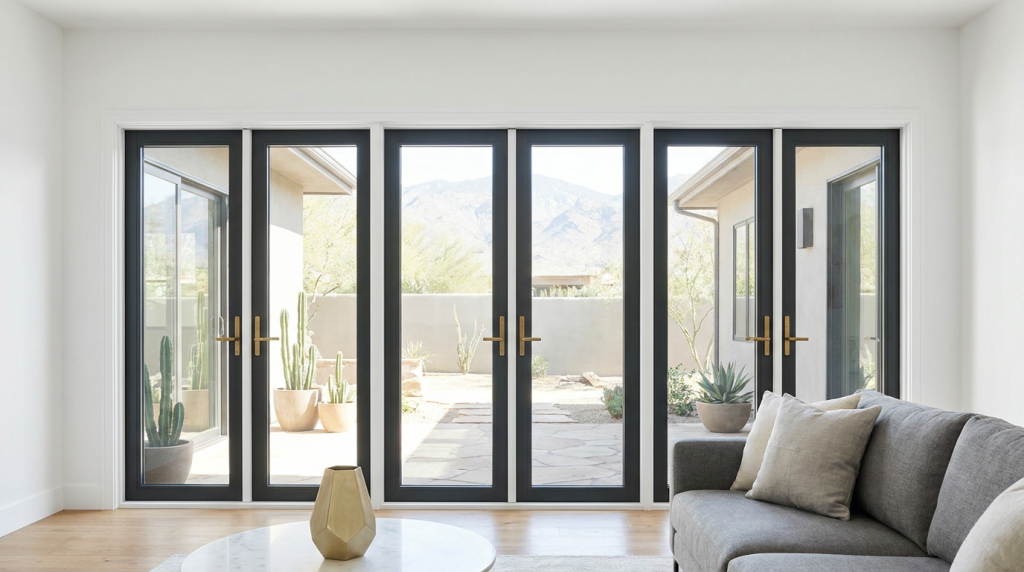
In Southern Nevada, door style and construction scope go together: larger multi-panel systems often require wall modification, and frame material and glass package play a major role in how the system performs in the desert sun.
A well-run window replacement project follows a clear sequence from in-home inspection to final walkthrough, with one quote and one team handling the job from start to finish.
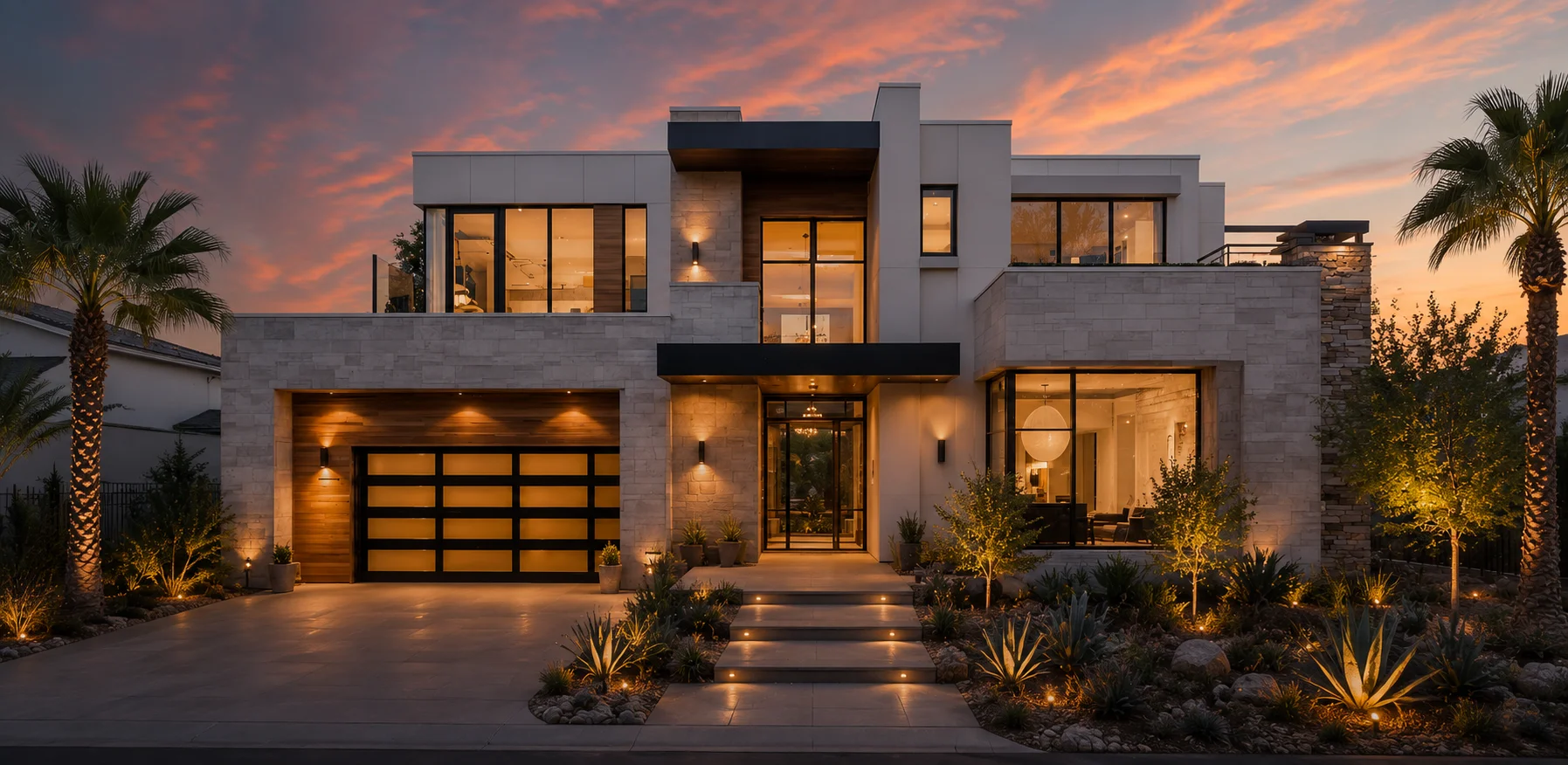
In Las Vegas homes, the right recommendation is room-specific: glass should match sun exposure, fiberglass frames outperform aluminum in extreme heat, and precise installation is what turns new windows into cooler, quieter rooms.
Most replacement window installations are more contained than homeowners expect, with accurate prep allowing most projects to finish in one day, room-by-room work that keeps the house livable, and cleanup and disposal included before the crew leaves.
A better indoor-outdoor connection starts with the door that fits your room’s traffic, layout, and opening, not simply the one with the most glass.
In Las Vegas, frame material and a tight installation seal matter as much as door style because heat, dust, and direct sun can shorten the life of hardware and weaken performance.
The doors that glide smoothly and hold up are the ones measured and installed by the same experienced team, with one clear scope and one point of contact from start to finish.
What type of residential replacement project are you considering?
Number of Windows
Door TypeWhat type of doors are you looking to replace?
Your Address
Contact Details
Additional details
Add pictures to make your description more detailed.
I want to learn more about the Window and Door Store and schedule an in-home price quote. By submitting this form, which I agree is my signature, I consent to receive recurring informational and advertising calls, and emails from the Window and Door Store, including by automated technology or prerecorded voice. I understand consent is not required for purchase and that I can opt out at any time, I understand any Window and Door Store calls may be recorded. The Window and Door Store collects certain categories of personal information and uses this information in various ways, including order fulfillment and providing product information and services, as further described in our Privacy Policy. I have been provided The Window and Door Store’s Privacy Policy and agree to its Terms and Conditions. Message and data rates apply.